This guide explains the essential steps and legal requirements for importing goods into Papua New Guinea. It is based on the official procedures and legislations, including the Customs Act 1951, to help you understand your responsibilities.
The Core Legal Requirement for All Imports
By law, you (the owner) are responsible for correctly declaring all goods imported into Papua New Guinea (by sea, air, or land) to Customs. This is done through a formal import entry (Customs Form 15), usually prepared and submitted by a licensed Customs Broker you hire.
A false or incorrect declaration is a serious offence and can lead to goods being seized and legal prosecution.
Step-by-Step Import Clearance Procedure
Step 1: Prepare and Lodge the Import Declaration
- Who Does It? A licensed Customs Broker you authorize using Customs Form G26.
- How It’s Done? The broker lodges the declaration electronically through the ASYCUDA World (AW) System.
- Timing:
- Up to 5 working days before the goods arrive, or
- No later than 5 working days after the ship/plane reports its arrival.
Important Exceptions: A full import entry is not required for:
- Personal/household effects of passengers or crew.
- Single shipments with a dutiable value not exceeding PGK 5,000 (these must still be reported in a simplified form).
- Goods with a dutiable value not exceeding PGK 250 are duty-free.
Step 2: Submit Required Supporting Documents
Your Customs Broker will need to provide these documents (often uploaded to the AW system) for Customs to verify your declaration:
- Commercial Invoice (showing true value and description)
- Bill of Lading (for sea) or Air Waybill (for air)
- Packing List
- Purchase Order
- Bank Transfer Documents
- Customs Valuation Declaration
- Certificate of Origin (if applicable for preferential tariffs)
- Import Permits/Licenses (for restricted or prohibited goods)
Step 3: Customs Verification and Assessment
Customs officers will check your declaration and documents to ensure:
- Goods are correctly classified using the latest Customs Tariff Act.
- The declared value is accurate and legitimate.
- The correct duty rate is applied.
- No restricted or prohibited goods are being imported without a permit.
Step 4: Inspection of Goods
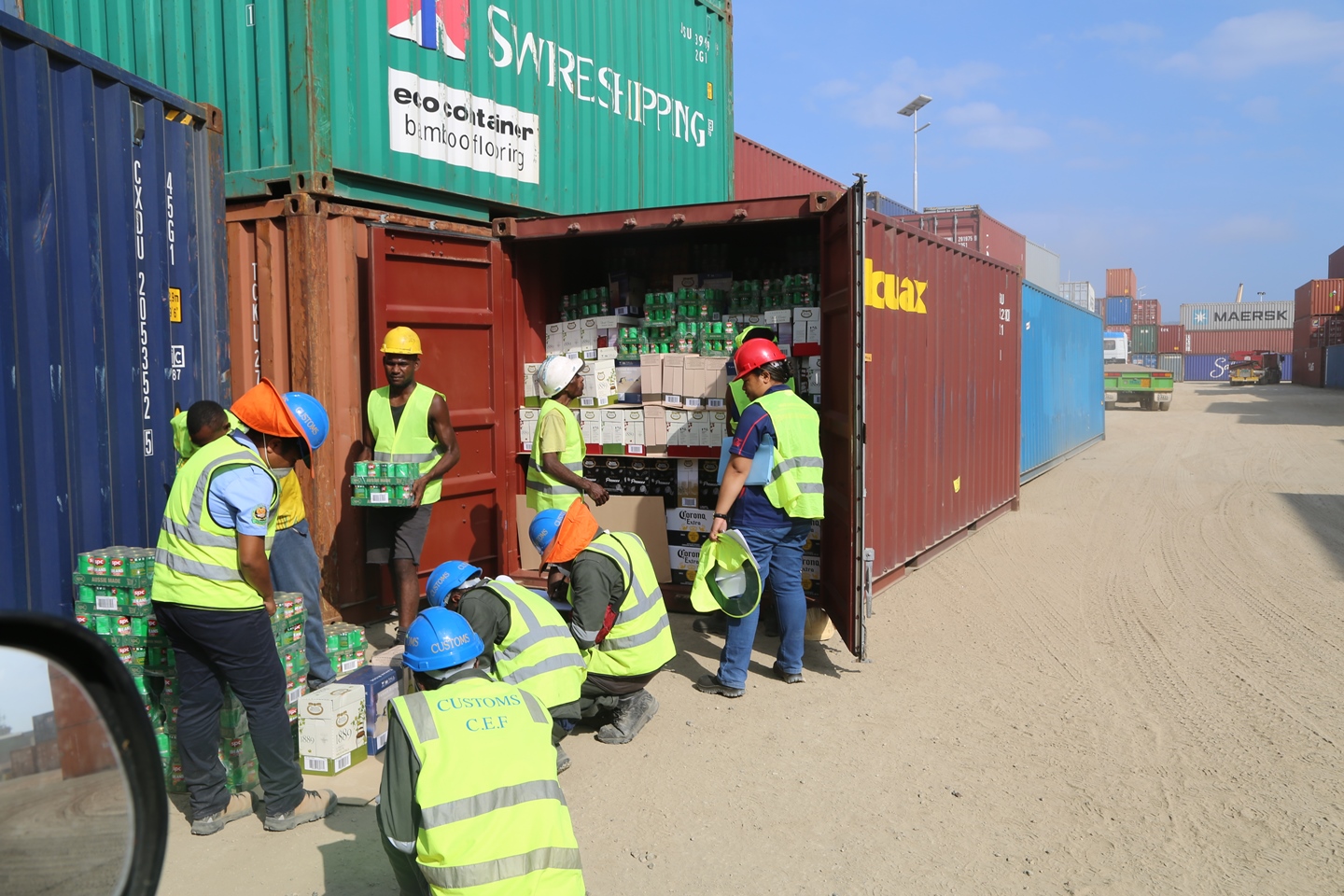
Customs has the authority to inspect any shipment at any time before release, based on risk assessment or intelligence. Your broker will coordinate this if required.
Step 5: Pay Duties and Taxes
- Assessment: You will receive a Notice of Assessment detailing the payable Customs Duty, Excise (if applicable), and Goods and Services Tax (GST).
- Duty Rate: The rate applied is the one in force on the day the import entry is lodged.
- Payment Deadline: Duties are due and payable within 5 clear working days from the date on the Notice of Assessment.
- Payment Methods: Electronic payments or EFTPOS only. Cash is not accepted.
- Consequences of Late Payment: If payment is late, you must pay:
- The original duty owed.
- Interest at 8% for each 5-day period (or part thereof) the duty remains unpaid.
- An administrative penalty fee.
Penalties for Non-Compliance: What You Must Avoid
PNG Customs enforces strict penalties for breaches of the law.
| Breach Type | Possible Consequences |
|---|---|
| Incorrect Declaration (Wrong value, classification, etc.) | Administrative Penalty of 50% to 200% of the additional duties and taxes owed. Future imports may be targeted for stricter checks. |
| Importing Prohibited/Restricted Goods without a permit or making a false declaration. | Goods (and possibly the vehicle/ship) can be seized. You may face prosecution. |
| Failure to Pay Penalties on Time | Additional interest charges and potential referral for prosecution. |
Key Point on Seizures: If goods are seized, you have 30 calendar days to either pay a security bond to claim them or start court proceedings. After 30 days, Customs can sell the goods at auction.
Other Critical Legal Responsibilities for Importers
1. Record Keeping
- You must keep all import-related records (invoices, contracts, payment proofs, emails, etc.) for 5 years from the date of import.
- These records can be requested during a Customs Audit.
- Failure to keep these records is an offence and can lead to severe penalties, including imprisonment.
2. Restricted and Prohibited Goods
- You must check if your goods require an import permit or license. Importing them without one is illegal.
- Prohibited goods generally include items that are a menace to the community (e.g., illegal firearms, illicit drugs, pornography, counterfeit goods).
- Refer to the official Customs (Prohibited Imports) Regulations 1973 for the complete list.
Need more information?
- Official Legislation: Customs (Prohibited Imports) Regulations 1973
- Information Sheet: Prohibited Imports
- General Enquiries: 312 7500
By following these procedures and meeting your legal obligations, you ensure a smoother customs clearance process and avoid significant financial penalties and legal issues. When in doubt, always consult a licensed Customs Broker or contact the PNG Customs Service directly.